Creatives & Makers
Artists, performers, writers, designers, filmmakers, makers and others who imagine, express and create.
EXPLORE CREATIVE ROUTES ART FOUNDATION
ACT starts with discovery. What we learn helps shape ideas, connect people and develop a useful next step within Studio65’s creative ecosystem.
DISCOVER FIRST. DESIGN SECOND. FIND YOUR PLACE IN ACTThese five audience profiles help people find relevant information. They are not the only ways to participate; interests and roles may overlap.
Artists, performers, writers, designers, filmmakers, makers and others who imagine, express and create.
EXPLORE CREATIVE ROUTESEducators, researchers, specialists and practitioners bringing relevant knowledge, experience or practice.
EXPLORE WAYS TO CONTRIBUTEEntities exploring how their people, knowledge, spaces or community connections may intersect with ACT.
START A CONVERSATION OPEN THE INVITATION WORKBENCHSkilled practitioners whose craft, technical knowledge and problem-solving can help bring ideas to life.
EXPLORE PRACTICAL ROUTESPeople of all ages who are curious, want to participate, share an idea or discover new interests.
FIND A WAY TO TAKE PARTStart with a question. Follow what it could become.
Ask and listen.
Imagine what could be.
Bring people and skills together.
Shape a practical plan.
Explore a suitable next step.
Learn and carry it forward.
Create and Connect work together. The route can adapt, return to a question or pause.
The stages can connect, repeat or return to an earlier question. Not every ACT follows the same sequence or produces the same result.
Listen and learn about people, interests, skills, context, existing resources and possibilities before deciding what to create. Discovery may use conversations, surveys, observation or other suitable methods.
Decision: What have we learned, what remains unknown, and is more discovery needed?
Develop concepts, experiences, prototypes or activities grounded in what has been discovered. A concept is not automatically an approved or funded project.
Decision: Which idea, if any, merits further development?
Identify useful relationships among people, creative disciplines, knowledge, organizations and resources. Roles, consent and arrangements are clarified before commitments are made.
Decision: Which connections are relevant, and on what terms?
Refine a concept through appropriate planning, responsibilities, resource planning, timelines, access, safety, permissions and documentation. Development does not itself authorize delivery.
Decision: Is the proposal sufficiently clear, feasible and resourced to be considered?
Assess possible next steps such as participation, learning, knowledge exchange, further research or a formal proposal. An opportunity is not a guaranteed role, grant, partnership or outcome.
Decision: Should the work develop, be refined, expanded, deferred or closed?
Document what happened, gather appropriate feedback, record limitations and use what was learned to inform a future direction. Continuing does not mean repeating an activity indefinitely.
Decision: What should be preserved, and what—if anything—should happen next?
Survey findings and sector decisions help shape an idea. Relevant people who chose follow-up may be invited to help develop it. A next step could be a workshop, prototype, resource, further research or a pause. It needs its own agreement, resources and permissions; an invitation is never automatic.
PLAN A DISCOVER STUDYThese images are illustrative examples, not documentation of confirmed Studio65 programs. Each experience would be shaped by its purpose, participants and available resources.

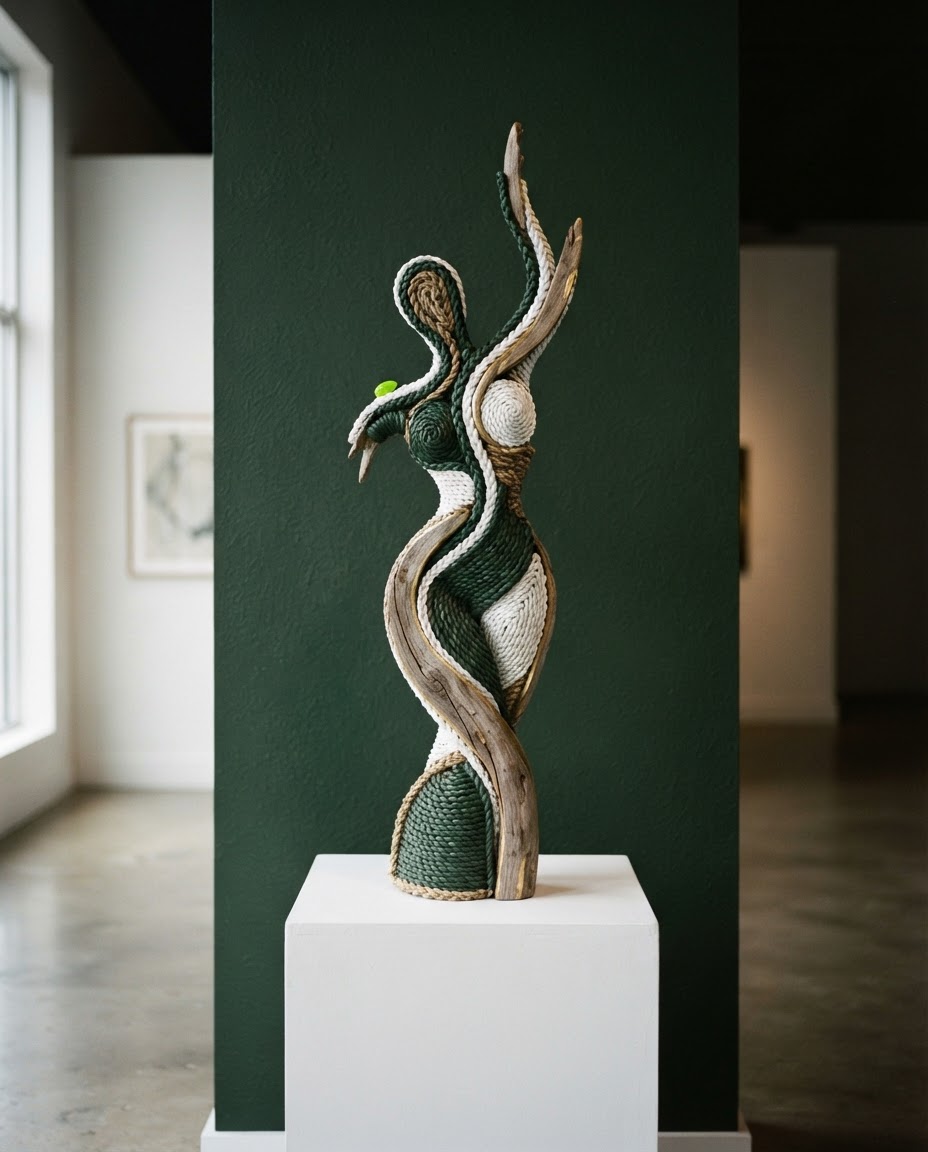

ACT provides a shared framework while allowing each possibility to respond to community interests, participant needs, appropriate planning and available resources. The framework continues; the form can change.
EXPLORE WAYS TO TAKE PART